What Is a Scroll Saw Used For?
A scroll saw is used for intricate curves, patterns, and interior openings in wood and other thin materials. Choose it for fretwork, ornaments, puzzles, and small shaped parts where tight turns matter more than cutting speed.
On this page (8 sections)
- What is a scroll saw used for in woodworking?
- What kinds of cuts can a scroll saw make?
- What materials can a scroll saw cut?
- How do you choose a scroll saw for your projects?
- How should a beginner set up and use a scroll saw?
- Which mistakes spoil scroll saw cuts?
- When should you use a band saw instead?
- What is a scroll saw used for, and should you buy one?
A scroll saw is used for intricate curves, patterns, and interior openings in wood and other thin materials. It suits ornaments, fretwork, puzzles, signs, and small shaped parts that need tight turns.
Its main advantage is access: you can thread a removable blade through a starter hole and cut an enclosed shape without crossing the outside edge. Buy one when those cuts appear often in your projects.
What is a scroll saw used for in woodworking?
A scroll saw is used for small, detailed shapes, especially work with narrow curves or enclosed openings. It helps turn a flat pattern into a finished outline or decorative panel.
The blade moves up and down through the table while you guide the wood. You steer the workpiece gradually, keeping it flat rather than twisting it against the blade.
What is a scroll saw used for in craft projects?
A scroll saw suits fretwork, lettering, ornaments, and fitted shapes. The best starting project has broad curves, few interior openings, and enough waste around the pattern to hold safely.
- Fretwork: Remove enclosed areas to leave an open decorative pattern.
- Signs and letters: Cut shaped outlines or openings within letters.
- Ornaments: Follow small silhouettes in thin stock.
- Puzzles: Cut adjoining shapes, allowing for the material removed by the blade.
- Marquetry: Shape thin decorative pieces that fit into a design.
Fine detail takes patience, especially when a pattern requires repeated blade threading. A simple ornament teaches steering before you commit to a panel with many separate openings.
What kinds of cuts can a scroll saw make?
A scroll saw makes outside curves, interior cutouts, and bevel cuts when its table allows them. It can follow straight lines too, but long straight cuts are a poor reason to choose this tool.
For an interior opening, drill a starter hole entirely within the waste area. With the saw unplugged, thread the blade through the hole, secure it, and restore tension as the manual directs.
Make sure the hole admits the blade and any end fitting that must pass through it. Plain-end blades are useful for fine openings because they lack the cross pins found on pinned blades.
For bevel work, check the table angle with the machine unplugged and make a practice cut in matching scrap. Angled cuts change how adjoining pieces fit, so don't begin with the finished workpiece.
Stack cutting can produce matching parts from thin layers, but only use that method when the saw's instructions allow it. Secure the layers and keep their combined thickness within the machine's limits.
What materials can a scroll saw cut?
A scroll saw can cut wood and, with the right blade and machine, some plastics and non-ferrous metals. Blade compatibility and material thickness matter more than a broad claim that a saw cuts several materials.
Thin wood is a practical starting point because it turns more easily than thick stock. Choose flat pieces without loose knots, and leave enough material around the pattern to keep control.
Plastic can soften and close behind the blade if heat builds up. Use a blade intended for it, follow speed guidance, and stop if the cut begins to melt or bind.
Metal work requires a blade intended for that metal and a saw approved for the task. Non-ferrous metal guidance does not mean the same blade suits steel.
Which replacement blades suit detailed cuts?
Choose replacement blades by length, end type, material, and tooth count. A blade that fits the clamps still needs teeth suited to the workpiece.
The FOXBC set contains 5-inch plain-end blades, which suits buyers who want several tooth counts for different projects. FOXBC recommends them for most woods, plastics, and non-ferrous metals, subject to the saw's limits.
Skip this set if your saw accepts only pinned blades or needs a different length. Finer teeth generally suit thinner material, while coarser teeth provide more space to clear waste; follow the blade maker's thickness guidance.
How do you choose a scroll saw for your projects?
Choose a scroll saw by workpiece size, blade access, and how often you make interior cuts. Easy blade changes matter most when every pattern contains several separate openings.
Throat depth is the distance from the blade to the rear frame. Check whether you can turn your planned workpiece through its full path without hitting that frame.
Cutting capacity describes a thickness limit, not the thickness at which every fine pattern becomes easy. Tight turns in thick wood demand more patience and a suitable blade.
Table support matters when a long or wide piece extends beyond the saw. Plan a stable working position with space to turn the work without pulling it off the table.
Who should choose the WEN 3921?
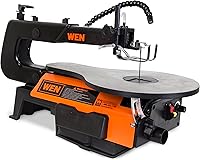
Choose the WEN 3921 for wood crafts that benefit from pinned and pinless blade support. Its standard throat depth is 16 inches, and WEN specifies wood capacity up to 2 inches thick.
The alternate blade orientation helps accommodate work that would otherwise meet the rear frame. It doesn't replace a saw built for fast board cutting or resawing.
Skip it if your main jobs are thick lumber and long straight cuts. Read our WEN 3921 scroll saw review if its blade system matches the projects you plan.
Who should choose the SKIL SS9503?
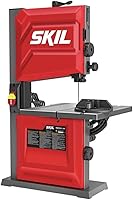
Choose the SKIL SS9503 for small wood patterns and occasional angled parts. Its table tilts through 0–45 degrees, and electronic variable speed lets you adjust the cutting pace.
Keyless changes suit projects that need frequent blade removal. Confirm the required blade end type and length before pairing it with replacement blades.
Skip it if your work needs more turning clearance than its frame allows. Compare project fit in our guide to the best scroll saws, and plan bench space with our small woodworking shop setup guide.
How should a beginner set up and use a scroll saw?
Begin with a stable saw, a correctly fitted blade, and a simple scrap-wood pattern. Secure the machine as its manual directs so the bench and saw stay steady during cuts.
With power disconnected, install the blade in the correct tooth direction and set its tension. Check that the table is square for a square-edged cut, then set the hold-down foot according to the manual.
For starter holes, secure the wood while drilling and place the hole clear of the finished edge. Our guide to how to use a drill press explains clamping and basic drilling technique.
Wear eye protection, contain loose hair and clothing, and keep your fingers out of the blade path. Use dust control suited to the material, since clearing the cut line doesn't capture all airborne dust.
Start with broad curves and feed gently. Turn the wood in small steps, and keep downward pressure sufficient to prevent lifting without forcing the piece into the teeth.
If you lose the line, stop feeding and switch off before making adjustments. Our guide to how to use a scroll saw for beginners covers the first cuts in more detail.
Which mistakes spoil scroll saw cuts?
The most common mistakes are forcing the feed, using the wrong blade, and turning too sharply. Fix the cause before spending time sanding a poor cut.
- Pushing harder when cutting slows: Check blade condition and suitability instead of bending it with extra pressure.
- Twisting through a corner: Follow the blade's turning limits and use relief cuts in waste where the pattern allows.
- Cutting on the finished side of the line: Leave a small allowance for final shaping.
- Leaving too little material to hold: Plan the cutting order so larger waste areas support the piece until needed.
- Working with a loose or dull blade: Stop and correct the setup when the blade wanders or cutting effort rises.
Unplug the saw before maintenance or blade handling. Remove accumulated dust, inspect the clamps, and replace bent, damaged, or dull blades rather than compensating with more force.
Store spare blades so their sizes and tooth counts remain clear. Follow the manual for lubrication and other care, since maintenance needs vary by machine.
When should you use a band saw instead?
Use a band saw for thicker stock, resawing, and broader cuts in larger pieces. Select its blade and capacity for the wood you need to handle.
A band saw's continuous blade cannot be threaded through a starter hole for an enclosed opening. That makes the scroll saw the better fit for decorative interior work.
Read our comparison of band saw vs scroll saw before choosing your first machine. If you already have a band saw, how to tune a band saw can help you improve its setup for suitable jobs.
What is a scroll saw used for, and should you buy one?
Buy a scroll saw for repeated detail work with tight curves or enclosed openings. Choose the WEN for its blade options and alternate orientation, or the SKIL for small patterns and angled work where its table suits the piece.
Choose the FOXBC blades only after confirming plain-end compatibility. If your project list is mostly board cutting and resawing, put a suitable band saw first.
Before ordering, draw one planned project at full size and check its turning clearance and blade needs. Then follow the scroll saw beginner guide to prepare for your first cuts.
Frequently asked questions
What is a scroll saw mainly used for?
A scroll saw is mainly used for detailed curves and enclosed openings in wood, including fretwork, ornaments, signs, puzzles, and small craft parts. Its narrow blade follows tight shapes, while the table supports the workpiece, but long straight cuts and thick stock usually call for another saw.
Can a scroll saw cut inside a piece of wood?
Yes, a scroll saw can make an enclosed cut without cutting through the outside edge of the workpiece. Drill a starter hole in the waste area, then unplug the saw and thread the blade through it before securing and tensioning the blade as the manual directs.
What is the difference between a scroll saw and a band saw?
A scroll saw uses a short blade that moves up and down, while a band saw uses a continuous blade running around wheels. Choose a scroll saw for tight curves and enclosed cutouts, or a band saw with suitable capacity for thicker stock, broader curves, and resawing.
What materials can a scroll saw cut?
A scroll saw can cut wood and, with a suitable blade and machine, some plastics and non-ferrous metals. Match the blade to both material and thickness, follow the saw's limits, and use a steady feed because forcing the work can bend the blade or spoil the cut.